

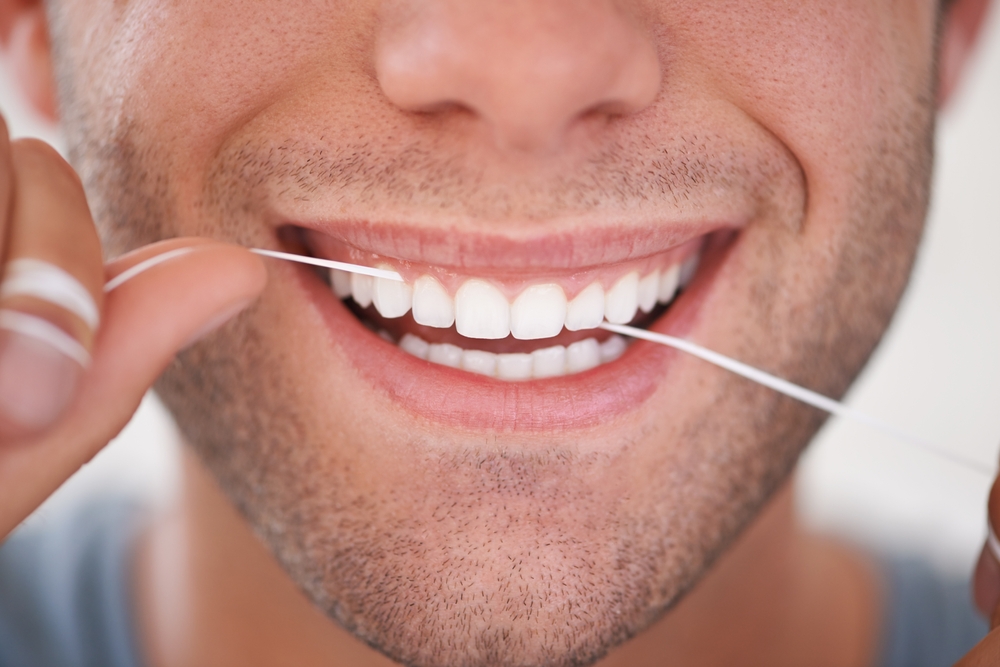
The plaque vs tartar difference explains most cases of bad breath, not something you ate. Bacterial activity in your mouth is the more common trigger. Knowing which one you are dealing with tells you whether brushing will solve it or whether you need professional help.
Key Takeaways
- Dental plaque forms daily and causes most cases of bad breath.
- Dental tartar is hardened plaque that only a dental professional can remove.
- Bad breath that fades after brushing usually points to plaque.
- Bad breath that lingers despite brushing often points to tartar and periodontal disease.
- Professional teeth cleanings treat existing buildup, not just prevent future buildup.
What is dental plaque and why does it cause bad breath?
Dental plaque is a soft, sticky film of bacteria that forms on your teeth throughout the day. It builds from food particles, saliva, and natural oral bacteria acting together on the tooth surface.
Dentists often call this layer dental biofilm because it behaves like a living community rather than a simple coating. Understanding how it forms explains why bad breath can show up so quickly.
How Plaque Forms On Your Teeth
Plaque development follows a fairly predictable pattern each day:
- Food particles and sugars feed bacteria within minutes of eating.
- Saliva production normally helps rinse away debris, but it slows overnight.
- Bacteria multiply fastest along the gum line and between teeth.
- The soft film starts to harden if you do not remove it within about two days.
Most bad breath starts with bacteria inside the mouth rather than anything external. Research on the etiology of halitosis found that intraoral conditions are responsible for 80–85% of halitosis cases. Gram-negative bacteria break down proteins in this film and release sulfur compounds as a byproduct.
Even with healthy gum tissue, bacteria on the tongue alone can produce enough odor to notice. The tongue’s rough surface gives bacteria places to settle between brushing sessions.
Consistent oral hygiene habits address plaque before it becomes a bigger problem. Daily habits that help most include:
- Brushing twice daily with fluoride toothpaste.
- Flossing with dental floss to reach between teeth.
- Cleaning the tongue surface, not just the teeth.
- Using an electric toothbrush along the gum line.
Plaque that stays in place weakens tooth enamel over time. The acids it produces are how tooth decay starts. Removing plaque daily protects your enamel and helps you avoid cavities that could otherwise need professional treatment.
Does your bad breath go away after brushing?
If your bad breath improves right after brushing, plaque is almost certainly the cause. Brushing removes the bacterial film and breaks the odor cycle.
If the odor returns within an hour, or never fully goes away, something deeper may be the cause. Tartar and gum disease do not respond to brushing alone. The next section explains why.
Tracking when the odor returns can help you describe the pattern accurately at your next dental checkup.
How Dental Tartar, Gum Disease, And Oral Health Issues Escalate Bad Breath
Dental tartar forms when plaque absorbs minerals from saliva and hardens onto your teeth. Dentists also call this mineralized buildup dental calculus, and it usually takes a few days of undisturbed plaque to form.
Once it hardens, dental calculus bonds to the tooth and brushing cannot remove it. Only a dental professional using scaling and root planing can break it loose.
How Plaque Turns Into Dental Tartar
A few key steps explain why this transition matters for your breath:
- Tartar collects at and below the gum line, where it presses against gum tissue.
- That pressure triggers inflammation, which is how periodontal disease begins.
- A bacterium called Fusobacterium nucleatum plays a central role in this shift.
Research identifies Fusobacterium nucleatum as a key bridging organism. It connects early bacterial colonizers with the more harmful species that settle in later. This helps turn a soft, removable film into the denser tartar that traps odor-producing bacteria.
Deeper gum pockets often carry stronger odor. Research on halitosis and associated factors ties this directly to the depth of the pocket. That depth also relates to the concentration of sulfur compounds it holds.
Once tartar deposits form, bacteria move into the pockets around them. Saliva, oxygen, and brushing cannot reach that space. Odor-producing bacteria multiply freely there, and this is the real mechanism behind stubborn bad breath.
Can tartar lead to more than just bad breath?
Yes, and the effects can reach beyond your mouth. Tartar-driven gum disease can cause several oral health issues over time, including:
- Receding gums, which expose root surfaces and deepen bacterial pockets.
- Weakened bone support, which may eventually lead to tooth loss.
- Visible tooth discoloration as tartar deposits build up near the gum line.
- Increased tooth sensitivity as gum tissue pulls back from the tooth root.
Research also links gum disease to broader health concerns, including heart disease and blood clots. The American Heart Association notes that gum disease can allow bacteria to enter the bloodstream. This may trigger inflammation elsewhere in the body.
Dental tartar is rarely just a cosmetic or dental issue on its own. Regular dental examination visits make it easier to catch these systemic risks before they progress further.
Professional Teeth Cleanings, Dental Hygienists, And Oral Health Tips That Actually Work
Professional teeth cleanings are the only way to remove tartar once it has formed. No toothbrush, floss, or rinse can break down hardened dental calculus on its own.
Dental hygienists use specialized instruments to scale deposits from tooth surfaces and below the gum line. No home routine can replicate that level of cleaning.
What Happens During A Professional Cleaning
A typical cleaning appointment usually includes:
- A dental examination to check for tartar, decay, and early gum disease.
- Dental scaling to remove hardened deposits above and below the gum line.
- Dental X-rays when needed, to detect bone changes a visual exam cannot show.
- Polishing and a review of any tooth sensitivity or other dental issues.
Research supports the value of this step directly. A cross-sectional study found that halitosis patients had higher DMFT scores and plaque accumulation than people without bad breath.
If brushing and flossing are not improving your breath, scheduling dental cleanings can help. A hygienist can remove existing buildup and check your gum tissue for early signs of periodontal disease.
Daily Oral Hygiene Tips That Support Your Dental Health
Between professional visits, a few consistent habits carry the most clinical weight:
- Brush for two full minutes, twice a day, with fluoride toothpaste.
- Floss once daily, reaching below the gum line with dental floss.
- Ask your dentist about fluoride treatments if you are prone to decay.
- Keep up with routine dental checkups, even if nothing feels wrong.
Do not wait until your breath becomes noticeable to act. Tartar builds up silently, and periodontal disease can progress well before symptoms appear. Ongoing periodontal care matters even between visits.
Ready to settle the plaque vs tartar debate for good?
The plaque vs tartar question really comes down to one simple test you can run today. Does your breath improve after brushing, or does it stick around no matter what you do? That answer tells you whether you are managing a normal daily buildup or something that has moved past what a toothbrush can handle.
Catching the difference early matters for more than fresh breath. Left alone, tartar keeps expanding into deeper gum tissue, and treatment gets more involved the longer it sits untreated. Addressing it now, while it is still a straightforward cleaning, is almost always the simpler and more comfortable path.
At Truly Yours Family Dental, Dr. Le & Dr. Nguyen see this exact situation often, and a short visit is usually all it takes to get a clear answer. If you are ready to find out what is really behind your bad breath, contact our team, and we will help you take the next step.
FAQs
What is the difference between plaque and tartar?
Plaque is soft and colorless, which is why it is easy to miss even though it coats your teeth daily. Tartar looks different since it often appears as a yellow or brownish crust you can feel with your tongue, especially near the gum line. That texture is the easiest way to tell them apart at home, but only a dental professional can confirm what is actually on your teeth during a checkup.
Can plaque cause bad breath even if my gums are healthy?
Yes, and diet plays a bigger role than most people expect. Foods high in sugar or protein give bacteria more to break down, which increases odor even in a mouth with no gum disease. Morning breath is a common example, since saliva production drops overnight and lets bacteria build up undisturbed. A quick brush and tongue clean usually resolves this type of odor within minutes.
How do I know if my bad breath is coming from tartar?
Beyond brushing not helping, a few other clues point toward tartar. A persistent metallic or sour taste, gums that bleed when you floss, or noticeable rough patches near the gum line are common signs. These symptoms usually build gradually rather than appearing overnight. If you notice more than one of these at the same time, it is worth having a dental hygienist take a closer look.
How often should I get a professional cleaning to prevent tartar buildup?
Most dental providers recommend teeth cleanings every six months for patients with healthy gums, and many dental insurance plans cover two visits per year at little to no cost. Smokers, people with diabetes, or anyone prone to heavier buildup often benefit from visits every three to four months instead. Your hygienist can adjust this schedule based on how quickly tartar tends to return for you.
Can tartar go away on its own, or does it always need professional removal?
No home remedy or over-the-counter product can dissolve tartar once it hardens. Left untreated, buildup tends to spread further below the gum line and may eventually require a deeper procedure called scaling and root planing rather than a routine cleaning. Catching it early usually means a quicker, more comfortable appointment. That is why regular teeth cleanings are worth keeping on your calendar even when nothing feels wrong.
Sources
- https://pmc.ncbi.nlm.nih.gov/articles/PMC4813452/
- https://pmc.ncbi.nlm.nih.gov/articles/PMC10500072/
- https://pmc.ncbi.nlm.nih.gov/articles/PMC6815781/
- https://pmc.ncbi.nlm.nih.gov/articles/PMC8967363/
- https://pmc.ncbi.nlm.nih.gov/articles/PMC11797787/
- https://newsroom.heart.org/news/gum-disease-may-be-linked-to-plaque-buildup-in-arteries-higher-risk-of-major-cvd-events