

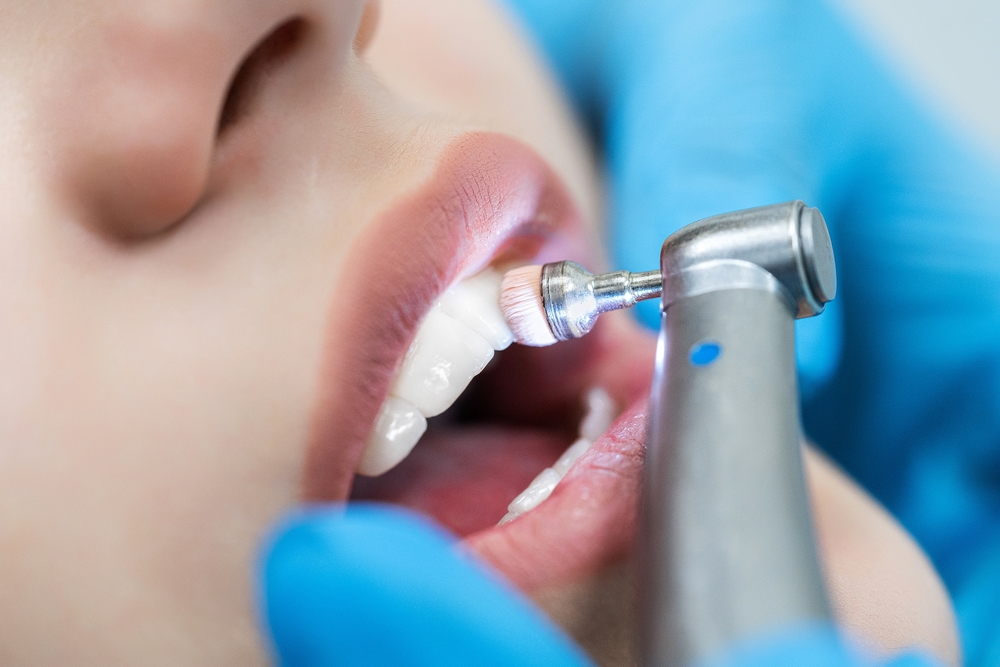
Teeth whitening for sensitive teeth raises one clear question. Should you push through the pain, or stop? The short answer is no.
Pain during a whitening session is not something to tolerate until treatment ends. The reasons are biological and well documented, and knowing them can change how you handle your next session.
Many people assume a little sting means the product is working. That assumption skips over what is actually happening beneath the enamel. Sensitivity is a signal, not a side effect to ignore. Understanding it helps you get better whitening results without unnecessary pain.
Key Takeaways
- In vitro studies document that continued bleaching causes tooth erosion, mineral loss, and pulpal damage, not just discomfort.
- Hydrogen peroxide penetrates enamel and dentin and reaches the pulp, where it causes inflammation that worsens with repeated use.
- Receding gums and cracked teeth create faster pathways for peroxide to reach sensitive tissue, raising the stakes.
- Dentists adjust concentration or pause treatment when patients report real pain. They do not advise pushing through it.
- This guide answers common questions about whitening sensitivity, safety, and how long discomfort usually lasts.
Why Tooth Sensitivity and Surface Stains Don’t Always Mix Well With Whitening
Tooth sensitivity and surface stains are both common reasons people pursue whitening treatments. Having both at once changes what the treatment can safely do. Most people assume discomfort during a session is simply part of the process. That assumption does not hold up to research.
A review on tooth whitening confirms that continued or aggressive bleaching carries documented risks beyond ordinary discomfort. That includes tooth surface roughening and softening. In vitro studies show these risks include tooth erosion, mineral degradation, and greater susceptibility to further mineral loss.
Does chasing a brighter smile make the risks worth it?
A radiant smile is a reasonable goal, and removing stain-producing particles is one of the most requested services in dentistry. The same active ingredients that lift stains can also weaken enamel with repeated use on teeth that are already sensitive.
Mineral degradation matters because enamel is mineral-based. Each session on already weakened enamel adds to that deficit. Enamel damage becomes more likely with every additional round of treatment.
Tooth erosion moves in the same direction. As enamel thins, the dentin beneath becomes more exposed. Everyday stimuli like temperature and pressure then register as pain that was not there before.
None of this means whitening is off limits for people with dental sensitivity. Concentration, application time, and enamel condition should shape the plan, not a generic timeline printed on a box.
This is the core issue with pushing through sensitivity to finish a whitening program. For most people, mild sensitivity resolves within days. For people whose teeth already react strongly, continuing raises real clinical risk rather than better whitening results.
Signs Your Enamel May Already Be Under Stress
A few warning signs suggest your teeth need a gentler approach before starting or continuing any whitening treatments.
- Sharp pain that starts within the first few minutes of a session
- Discomfort that lingers for more than a few days after treatment
- Visible white spots or rough patches on the enamel surface
- Sensitivity pain that shows up with cold air, not just cold drinks
- Gingival irritation appearing near the treated teeth
If any of these apply, a quick dental assessment before your next session is worth the extra step.
What Sensitivity Pain and Whitening Trays Are Actually Doing Inside Your Teeth
The pain you feel during whitening does not stay at the surface. It travels inward, and that is what makes pushing through significant pain a different decision than most people realize.
Research on hydrogen peroxide bleaching confirms that the compound penetrates into the dental hard tissues. From there, it reaches the pulp and can trigger inflammation. Hydrogen peroxide molecules are small enough to move through enamel and dentin quickly.
For most patients, pulpal inflammation is short-lived and resolves within a few days once treatment stops. Patients with existing dental sensitivity face a different pattern, where continued exposure does not let the inflammation settle.
How Concentration Affects the Risk
Concentration plays a direct role in how much risk a whitening session carries. Higher concentrations move faster and reach the pulp in greater amounts. Professional whitening does not automatically mean lower risk to a sensitive mouth.
A review confirms that hydrogen peroxide produces oxygen in the form of free radicals once it reacts with dental enamel. These free radicals, not the peroxide itself, are what travel toward the pulp. Professional treatments set concentration, timing, and session count to stay within what tissue can handle.
Whitening trays hold active ingredients against the tooth for the entire session. If your teeth are already in distress, the tray extends that contact for the full application window. This is why treatment times matter as much as the formula itself.
A product labeled as fast-acting is not automatically the safer choice. Shorter treatment times paired with a lower concentration often produce similar whitening results to a single aggressive session. The payoff is far less strain on sensitive teeth.
What Happens Inside Your Tooth During a Whitening Session
Understanding the sequence helps explain why pushing through pain changes the outcome, not just the discomfort level.
- The bleaching agent contacts the enamel surface and begins breaking down stain-producing particles.
- Hydrogen peroxide molecules diffuse through microscopic channels in the enamel and dentin.
- The compound reaches the pulp chamber, where nerve endings and blood vessels sit.
- The pulp responds with a mild inflammatory reaction, felt by most people as sensitivity pain.
- The reaction settles within a few days once exposure stops, unless treatment continues past that point.
Receding Gums, Cracked Teeth, and Other Reasons Dental Sensitivity Changes the Calculus
For some patients, the issue goes beyond how the bleaching agent behaves. Teeth and gums can carry conditions that give peroxide faster, less obstructed access to sensitive tissue.
A dental assessment before starting can catch most of these factors early. Recession, cracks, and areas of decay are not always obvious to the person experiencing them. These issues still shape how your dentist should build a whitening plan from the start.
Receding gums expose the root surface of a tooth. Cementum, not enamel, covers that root surface, and it offers less resistance to peroxide. Patients with receding gums start with thinner protection.
Cracked teeth create a more direct problem. Cracks in enamel give hydrogen peroxide a shorter path to dentin and pulp.
Beyond structural entry points like cracks, the bleaching chemistry itself feeds the cycle. The oxidizing power of the bleaching agent acts mainly on the organic components of dentin. That loss of organic material is itself a documented contributor to further dentin exposure.
What about tooth decay and periodontal disease?
Tooth decay creates gaps in enamel where the surface is already compromised. Bleaching agents reach dentin more easily through those gaps.
Periodontal disease raises the same kind of risk. Patients with active gum disease often have more exposed root surfaces already, which means more entry points for peroxide. Routine preventative dental care is what typically catches periodontal disease before it reaches that point.
Remineralizing products and desensitizing agents are often recommended alongside whitening for these reasons. Both approaches can ease discomfort for patients with mild reactions. Neither one stops the damage cycle if someone keeps whitening through significant pain.
Risk Factors That Make Whitening Pain More Likely
Several conditions raise the odds that a standard whitening protocol will need adjustment before your dentist can use it safely.
- A history of gingival inflammation or bleeding gums
- Recently placed dental work such as fillings, crowns, or veneers near the treated teeth
- Visible cracks or chips in the front teeth
- Untreated tooth decay or exposed root surfaces
- Prior episodes of severe post-treatment sensitivity
For patients with more than mild discomfort, dentists do not advise pushing through. They lower concentration, shorten application time, extend gaps between sessions, or pause treatment altogether under professional supervision. This measured approach protects your teeth without giving up on results entirely.
Get Comfortable Teeth Whitening for Sensitive Teeth Today
Teeth whitening for sensitive teeth works best as a partnership with your dental team. It should not be a solo test of endurance. Mild sensitivity is a normal part of the process for most people, and it typically settles within a few days. Persistent or sharp pain is different. It’s a sign to adjust the plan, not grit your teeth and continue.
The best outcomes come from a plan built around your mouth, not a generic timeline. That might mean a lower concentration or a longer break between sessions. It could also mean treating an issue like a crack or receding gums first. None of these adjustments mean giving up on a brighter smile. They simply mean getting there in a way your teeth can actually handle.
Dr. Le & Dr. Nguyen, and the team at Truly Yours Family Dental, take that same personalized approach with every patient. Mentioning sensitivity before you start helps them plan ahead. Contact us today!
FAQs
How do I choose a whitening treatment for sensitive teeth?
(Talk with a dentist [https://trulyyoursfamilydental.com/your-first-visit/]) about your full sensitivity history before choosing a concentration. They can compare in-office and take-home options based on your enamel, gum health, and any recent dental work. Some patients do best starting with a lower-concentration take-home kit before attempting an in-office session. The right choice depends on matching the method to your mouth, not picking whatever works fastest.
Is it normal for teeth to be sensitive after whitening?
Normal post-whitening sensitivity usually feels like brief tingling across several teeth, especially with cold air or drinks. It should never feel like a sharp, throbbing pain, and it should not stay confined to just one tooth. Sensitivity limited to a single tooth often points to something separate. It could be a crack or a deeper cavity, not a typical whitening reaction. If that happens, it is worth a closer look.
Is teeth whitening safe for sensitive teeth?
Whitening is generally safe for sensitive teeth once your dentist adjusts the concentration and timing to your situation. Existing crowns, veneers, or bonding will not lighten along with your natural teeth, which can create a visible shade mismatch. Your dentist can flag this ahead of time so results look even rather than patchy. A professionally supervised approach also lowers the chance of overuse compared to store-bought kits.
How long are teeth sensitive after whitening?
Most sensitivity fades within two to four days after your last application. The exact timeline depends on concentration and how many sessions you completed. If discomfort continues past a week, that is longer than a typical reaction and worth mentioning to your dentist. Taking a short break between sessions, rather than whitening every single day, often shortens the recovery window. That pause usually means less lingering sensitivity.
Can sea salt or other home remedies help with whitening sensitivity?
Sea salt rinses will not reduce whitening-related sensitivity. Neither will more aggressive home remedies like lemon juice or baking soda scrubs. Acidic or abrasive ingredients can strip away more enamel, making sensitivity worse rather than better. A safer over-the-counter option is a toothpaste made for sensitive teeth. Use it consistently for a couple of weeks before your next session. Reach out to your dentist if pain feels significant.