


Oral Cancer Screenings
Early detection saves lives, and oral cancer screenings are one of the most important preventive services your dentist can provide. These quick, painless examinations check for signs of mouth cancer and precancerous conditions in your oral cavity before symptoms become noticeable. During a screening, your dentist examines your lips, tongue, cheeks, throat, and other tissues for unusual changes that could indicate oral cancer. Whether you partake in nicotine proudcts like cigarettes or chewing tobacco, consume alcohol regularly, or simply want peace of mind, regular oral cancer screenings help catch problems in their early stages when treatment is most effective and survival rates are highest.
About Our Oral Cancer Screenings
An oral cancer screening is a visual and physical examination of your mouth and throat to identify signs of cancer or precancerous lesions. Your dentist looks for abnormalities such as white patches, red patches, sores that don’t heal, lumps, or areas of irregular texture in your oral cavity. The screening may also include checking your lymph nodes in the neck for swelling or unusual growths that might indicate the spread of head and neck cancers.
These screening tests are non-invasive and typically take just a few minutes during your regular dental visit and may use tools like blue dye to highlight suspicious areas that aren’t visible under normal lighting conditions. The goal is to detect illnesses such as oropharyngeal cancer and mouth cancer at their earliest, most treatable stages. Since many oral cancers develop without causing pain or obvious symptoms initially, regular screenings catch problems you might miss on your own. Early detection through routine screening can mean the difference between a simple treatment and extensive surgery or other aggressive interventions.
Benefits of Oral Cancer Screenings
Catches Cancer at Its Most Treatable Stage
The survival rate for oral cancer increases dramatically when detected early. Screenings identify abnormal cells before they develop into advanced cancer, allowing for less invasive treatment options and better outcomes. Early-stage oral cancer often requires minimal intervention compared to advanced cases that may need extensive surgery, radiation, or chemotherapy. By catching problems early, you preserve more healthy tissue and face fewer complications. Regular screenings give you the best chance of catching any issues when they’re easiest to treat successfully.
Provides Peace of Mind
Knowing your mouth is healthy reduces anxiety and stress about your oral health. For those with risk factors like tobacco use or alcohol consumption, regular screenings offer reassurance that any problems will be caught quickly. Even if you don’t have obvious symptoms, screenings confirm everything is normal or identify issues requiring monitoring. This proactive approach helps you stay informed about your oral health status. The few minutes spent on a screening can eliminate months of worry about undetected problems.
Quick and Painless Process
Oral cancer screenings are completely non-invasive and cause no discomfort. The visual inspection and gentle palpation of your tissues takes only a few minutes during your regular dental appointment. There’s no need for needles, anesthesia, or recovery time. Your dentist simply examines your mouth systematically while you sit comfortably in the dental chair. This convenience means you can receive screening without any disruption to your day or any physical discomfort.
Identifies Risk Factors and Offers Prevention Guidance
Beyond detecting cancer, screenings help your dentist assess your personal risk factors for developing oral cancer. If you use tobacco products, drink alcohol frequently, or have other risk factors, your dentist can provide targeted advice. Understanding your risks allows you to make better choices about your health and reduce your chances of developing mouth and throat cancer. Your dentist can recommend preventive measures, suggest cessation programs for tobacco or alcohol use, and schedule more frequent screenings if needed. This tailored approach helps you protect your oral health.
Detects Other Oral Health Problems
While screening for cancer, your dentist also spots other conditions affecting your mouth and throat. Issues like persistent sores, infections, inflammatory conditions, or benign growths can be identified and addressed. A sore throat or white patches might indicate conditions unrelated to cancer but still requiring treatment. Regular screenings give you complete monitoring of your entire oral cavity. This thorough examination approach means you receive complete oral health care, not just cancer detection.
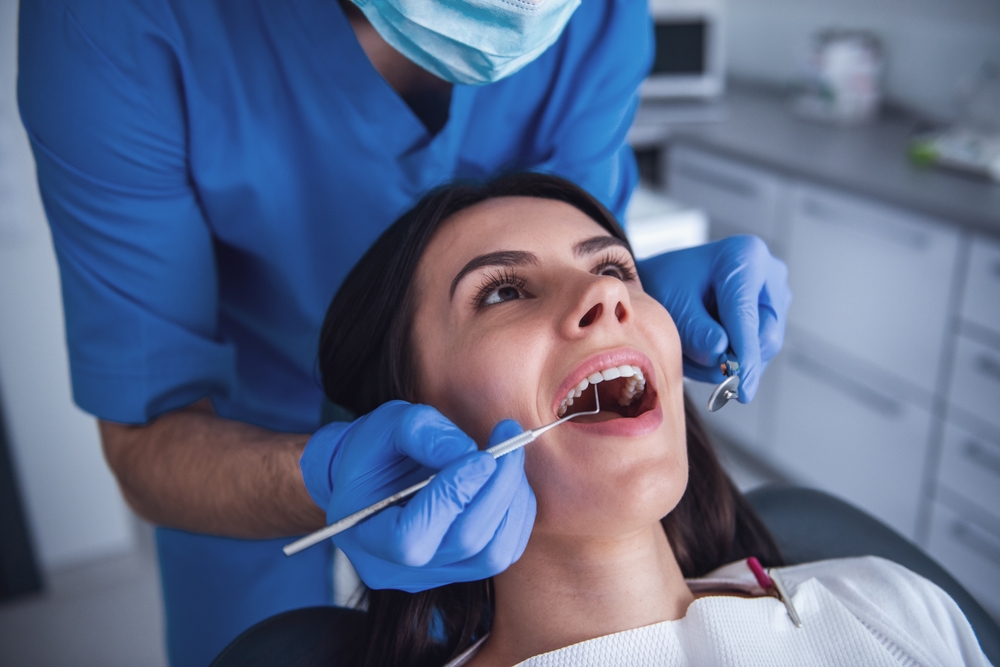
Our Oral Cancer Screenings Process
Initial Consultation
Your oral cancer screening begins with a discussion of your medical history, lifestyle habits, and any concerns you may have. We ask about tobacco use, alcohol use, family history of cancer, and any symptoms like persistent sores or difficulty swallowing. This information helps us understand your risk factors and tailor the examination to your specific needs. We explain what the screening involves and answer any questions so you feel comfortable and informed.
Customized Treatment Plan
Based on your risk assessment, we determine the appropriate frequency for your screenings and whether additional screening tests might be beneficial. Patients with higher risk factors may need more frequent examinations or advanced screening technology. We create a custom monitoring schedule that fits your individual situation. Our goal is to provide the right level of preventive care based on your unique health profile and concerns.
Implementation of Treatment
The screening itself involves a careful visual check of your entire oral cavity, including your lips, tongue, floor of mouth, palate, cheeks, and throat. We gently palpate your neck to check lymph nodes for any swelling or abnormalities. If we use special lights or screening aids, we’ll explain how they help identify suspicious areas. The entire process is gentle and takes just a few minutes to complete thoroughly.
Aftercare & Maintenance Tips
If your screening is normal, we recommend continuing regular dental visits and maintaining good oral hygiene practices. Reduce your risk by avoiding tobacco products and limiting alcohol use. Protect yourself from sun exposure on your lips and stay aware of any changes in your mouth between visits. If you notice persistent sores, lumps, or white patches that last more than two weeks, contact us immediately for evaluation.
Follow-Up
If we identify any areas of concern during your screening, we’ll discuss the findings with you immediately and recommend next steps. This might include monitoring the area during your next visit, performing a biopsy, or referring you to a specialist for further evaluation. Most suspicious findings turn out to be benign, but prompt investigation means nothing serious goes undetected. Our team at Truly Yours Family Dental cares about your health and will guide you through any needed follow-up care with compassion and skill.

Why Choose Us for Oral Cancer Screenings
Truly Yours Family Dental provides thorough, compassionate oral cancer screenings as part of our complete preventive care approach. Dr. Tuan Le and Dr. Ann Nguyen bring extensive training from Creighton University and use the latest screening techniques and technology. Their careful attention to every detail means no area of your mouth goes unexamined, while their gentle approach keeps you comfortable throughout the process. We understand that cancer screenings can feel intimidating, so we take time to explain everything clearly and answer all your questions.
Our practice uses advanced screening methods in a warm, supportive environment where you feel like family. We don’t just perform a quick check—we thoroughly examine every area, discuss your individual risk factors, and give you specific recommendations for prevention. Our patients consistently praise our careful, thorough approach to preventive care. From routine screenings to addressing any concerns that arise, we’re here to support your oral health every step of the way with the careful attention you deserve.
Protect Your Health with Early Detection
Schedule Your Oral Cancer Screening Today
Don’t wait for symptoms to appear. Regular oral cancer screenings catch problems early and give you the best possible treatment outcomes.
Contact Truly Yours Family Dental at (619) 461-7700 to schedule your complete oral examination and protect your health with early detection.
Book Online
FAQs About Oral Cancer Screenings
Here are answers to common questions about oral cancer screenings and detection.
How to tell if you have cancer in mouth?
Early oral cancer often shows no obvious symptoms, which is why regular screenings are so important. Warning signs include sores that don’t heal within two weeks, white patches or red patches in your mouth, lumps or thickening of tissues, persistent pain, difficulty swallowing, or numbness in your mouth or lips. You might also notice loose teeth, changes in how your dentures fit, or a persistent sore throat. If you experience any of these symptoms lasting more than two weeks, schedule an examination immediately rather than waiting for your next routine visit.
How common is oral cancer?
Oral cancer affects tens of thousands of Americans each year, with rates higher among men than women, affecting a significant percentage of all cancers diagnosed in the United States. Risk increases significantly with age, with most cases occurring in people over 40, as well as tobacco use and excessive alcohol use. While these statistics might seem concerning, early detection through regular screenings greatly improves survival rates, making routine examinations an essential part of your preventive health care.
How valid are dentist checks for oral cancer?
Dentist-performed oral cancer screenings are highly valuable for early detection and have been shown to save lives. While no screening test is perfect, regular visual examinations by trained dental professionals catch many cancers in early stages when they’re most treatable. Studies show that routine dental screenings help spot problem areas that might otherwise go unnoticed until symptoms develop. Dentists are specifically trained to recognize abnormal tissue changes and know when to recommend biopsies or specialist referrals. Combined with your awareness of changes in your mouth, professional screenings provide an effective safety net for early cancer detection.
Should a dentist recognize early signs of tongue cancer?
Yes, dentists are trained to identify early signs of tongue cancer and other oral cancers during routine examinations. Dentists know these warning signs and systematically check your tongue during every routine oral examination. Early-stage tongue cancer can be subtle and painless, making professional screening essential. If your dentist notices anything suspicious, they’ll recommend appropriate follow-up, which may include monitoring over time or referral to a specialist for biopsy and definitive diagnosis.
Ready to get started? Give our friendly staff a call or request an appointment through our website!
Call Us!Book Online